That Ain’t It: Meta, Check Yourself Before…

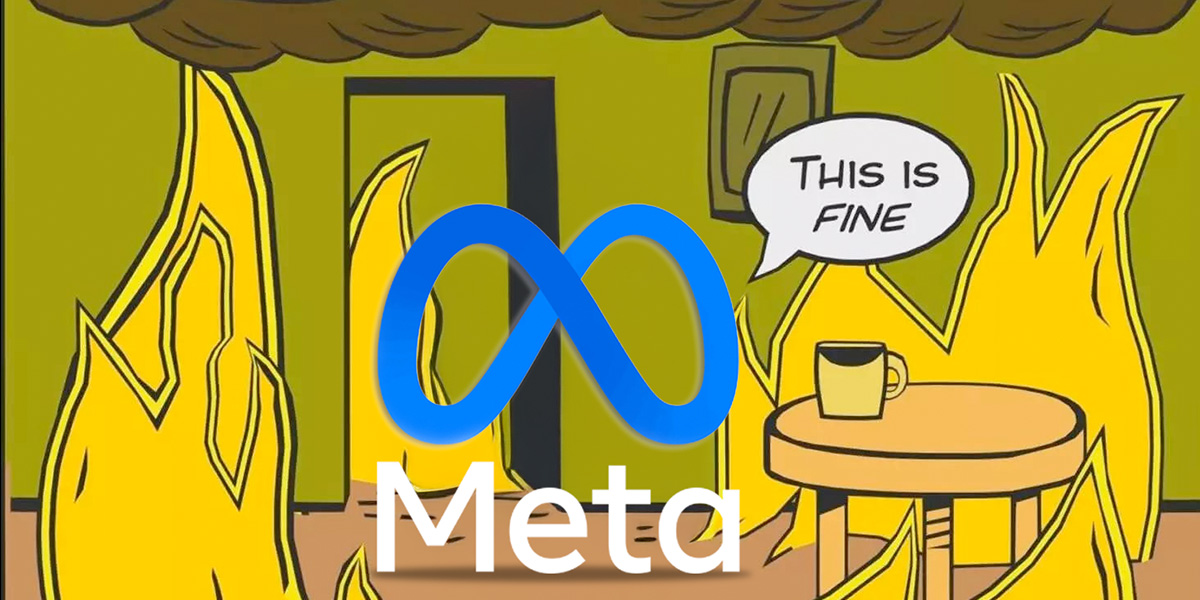
Meta, the tech giant that oversees Facebook, Instagram, and WhatsApp, is no stranger to controversy. With a history of navigating the tricky waters of misinformation and free speech, the company’s latest move has raised concerns for all the wrong reasons. Meta recently announced its plans to discontinue its fact-checking program and introduce a "Community Notes" system, similar to the one employed by X (formerly Twitter). While Mark Zuckerberg and his team tout this as a step toward promoting free speech, critics argue it’s a misguided decision that could open the floodgates for misinformation and hate speech, especially after the contentious 2024 election.
As the Trump administration re-enters the White House, Meta’s shift feels more like a gamble than a calculated move. The implications for marginalized communities and the platform’s reputation are significant—and not in a good way.
The Trending Topic
Meta’s announcement to discontinue its fact-checking program comes at a critical time. The shift to Community Notes, according to Zuckerberg, is a response to a “shifting political and social landscape” and an effort to embrace free speech after the 2024 election. Instead of relying on third-party fact-checkers, Meta will rely on users to clarify misinformation through collective contributions.
This decision has drawn sharp criticism from both experts and stakeholders. Helle Thorning-Schmidt, co-chair of Meta's oversight board and former Prime Minister of Denmark, warned that the absence of fact-checkers could lead to a surge in misinformation and hate speech. She also emphasized that marginalized groups, including people of color, the LGBTQ+ community, and advocates for gender and trans rights, would be disproportionately impacted.
Critics speculate the timing of this shift raises questions about Meta’s intentions, with some speculating that the company might be “kissing the ring” to maintain favor with the incoming Trump administration. Whether or not this is true, the timing raises eyebrows and serious concerns.
What Went Wrong
Meta’s transition from fact-checking is problematic on multiple fronts:
1. Empowering Bad Actors
Without fact-checkers, the burden of filtering misinformation shifts to users. While Community Notes may sound democratic, it’s rife with potential pitfalls. Bad actors, bots, and coordinated disinformation campaigns could exploit the system, drowning out legitimate voices. (Really ask yourself: does JimBobUSA8934 sound like a trustworthy source?)
2. Risk to Marginalized Communities
Removing the layer of protection provided by fact-checkers opens the door for harmful narratives to flourish unchecked. Hate speech, discriminatory rhetoric, and targeted misinformation could proliferate, creating unsafe spaces for marginalized groups.
3. Erosion of Trust
Although not perfect, fact-checking programs signaled Meta’s commitment to combating misinformation. Removing them sends the opposite message, undermining trust in the platform’s ability to manage content responsibly. Critics argue this decision reflects profit motives rather than genuine concern for users’ well-being.
4. Post-Election Volatility
Since the 2024 election cycle, pundits and critics continue to raise concerns about misinformation and the dire consequences it can have on a democracy. Some argue that the absence of rigorous fact-checking may increase the risk of false narratives influencing public opinion, raising questions about the role of social media in shaping future election outcomes. Experts have identified this as a systemic challenge with real-world implications.
How Meta Can Recover (If Possible)
While Meta’s decision is already facing backlash, it’s not too late for the company to course-correct. Here’s how the company can recover:
1. Reintroduce Third-Party Fact-Checkers
In a no-brainer solution, Meta could adopt a hybrid approach that combines Community Notes with third-party fact-checkers. This would provide a layer of accountability while allowing for user contributions.
2. Transparency in Decision-Making
The company should clarify its rationale for this shift. Openly addressing concerns and explaining how it plans to combat misinformation would go a long way toward rebuilding trust.
3. Community Moderation Safeguards
To ensure Community Notes isn’t hijacked by bad actors, Meta must implement safeguards like vetting contributors and using AI to identify coordinated disinformation efforts. (Again, should we really be taking advice from JimBobUSA8934 regarding election information?)
4. Dedicated Protections for Marginalized Groups
Meta should double down on efforts to protect vulnerable communities. This could include AI-driven hate speech detection, clear content policies, and partnerships with advocacy organizations.
5. Commit to Election Integrity
Furthermore, Meta must demonstrate a commitment to greater election integrity since it has decided to move away from third-party fact checkers. This means actively creating systems and procedures that combat disinformation, ensure ad transparency, and hold political advertisers accountable during future elections.
Meta’s decision to abandon fact-checking in favor of Community Notes is a high-stakes gamble in a time of heightened political and social tensions. With misinformation spreading like a computer virus, this move risks alienating users, emboldening bad actors, and tarnishing the company’s reputation. To navigate this storm, Meta must adopt a balanced approach that combines transparency, community engagement, and robust safeguards. At its core, this controversy is a reminder of the delicate balance tech companies must strike between promoting free speech and upholding social responsibility.
In our “That Ain’t It” series, we spotlight these critical moments to remind brands of the power—and consequences—of their decisions. Let this serve as a lesson for Meta and others in the tech space: innovation must never come at the expense of integrity.